
Local creative groups offer solutions to building social cohesion
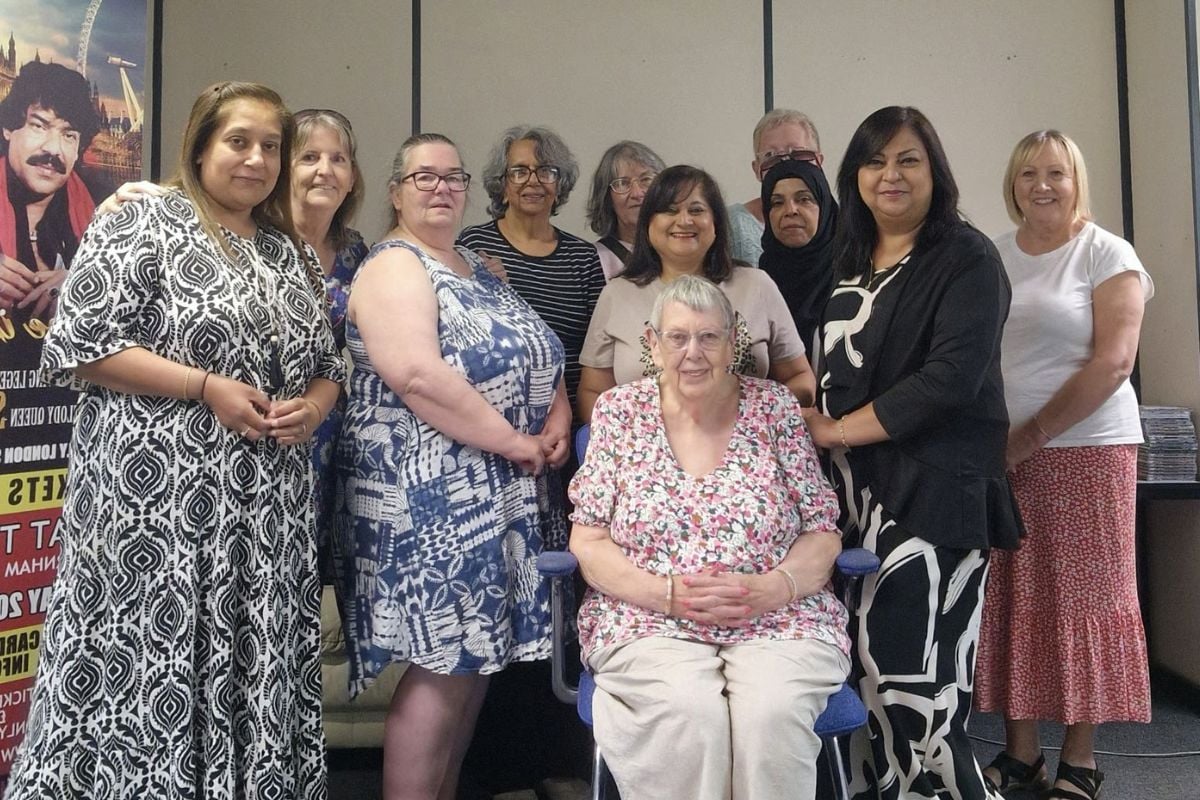
Photo: Knit Your Socks Off
Choirs, knitting and printing: Everyday creativity and community bonding
We can’t get the whole population to the National Theatre, but we can foster connection in our libraries, music venues and village halls, writes Jess Plant, policy director at Creative Lives.
Creative Lives supports and promotes everyday creativity across the UK and Ireland. We speak to, support and champion choirs in local halls; sewing circles in libraries; Bollywood dancing in community centres; amateur dramatics; quilt-making; Morris dancing; and more. As Culture Secretary Lisa Nandy said in her conference speech last year: “The story of our culture is as much Northern Soul and brass bands as it is Royal Opera and Ballet.”
The Department for Culture, Media and Sport (DCMS) report Our Creative Talent suggests there are more than 63,000 groups across the UK and 10 million people participating in creative group activity.
This figure is much larger, of course, when we extend the definition to include individual creativity (knitting in front of the television, or cooking, etc). And it’s larger again if we consider the worlds of cosplay, zine-making, or pottery cafés, or perhaps online creative expression, like TikTok dancing and gaming.
But can these activities, sometimes viewed as frivolous, really create social bonds and reduce social tensions in fractured and divided times?
‘Community’ versus ‘social’ cohesion
The arguments for the benefits of creativity are well known, and there is a growing body of evidence suggesting the arts impact health and well-being, and have serious educational benefits. But the societal, community and cohesion benefits are perhaps less well understood. However, Daisy Fancourt’s new book Art Cure – The Science of How Arts Transform Health, makes a strong case for both.
Research conducted by the University of Kent (2017) demonstrates that taking part in the arts is a strong indicator of further civic engagement, and that regular involvement in local creative groups can encourage individuals to participate more actively in their communities, including volunteering and charitable giving.
Dame Sara Khan, author of the 2024 Khan review into threats to social cohesion and democracy, argued the term ‘community cohesion’ was most usefully applied when considering the relationship between different groups of people at a local level. She said the term ‘social cohesion’ was a broader concept, encompassing relationships between different groups and the relationship between the state and individuals.
But how do groups engage at a local level, if not through culture? Meeting in libraries, at school concerts, or food stalls and places of worship, to connect, share and create.
Telling an alternative story
The social context remains challenging. The riots in the summer of 2024 presented difficult home truths, and the threat of far-right ideology continues to cause harm and fear for many. Our staff and freelancers have experienced conflict, racism and harmful attitudes in their work across the UK.
But there is an alternative story to be told, in which voluntary creative groups perform quietly radical acts. We see book groups opening their doors to new neighbours, choirs welcoming asylum seekers, youth theatres championing stories from across the globe, all enabling a sense of connection and belonging.
Throughout 2025, Creative Lives witnessed such community-building across the UK and Ireland. We saw Ukrainian choirs draw audiences from across Reading, and Chinese cultural groups bring people together through music and food in Rotherham.
Wah Hong, an East Asian community group in Rotherham, currently runs storytelling sessions in aid of community cohesion. One of our Creative Lives On Air local radio producers, Jennifer Vernon Edwards, interviewed the Wah Hong group about those efforts, with one person calling the initiative “encouragingly hopeful”.
As part of the Slough Cultural Revival project, community hub Viva Slough produced a short film about self-led creative groups. The Knit Your Socks Off group continues to bring people together from across Slough’s diverse population to make items and raise money for local causes. “People who join for the ride, stay for the ride. We started off with just three members ten years ago, and we’ve grown and grown. Every item is made with love,” says group organiser, Sbba Siddique.
Another example is Crafting Heritage, a two-year project led by Cartwheel Arts and national charity Heritage Crafts, looking at the crafts flourishing among Rochdale’s residents with experience of forced migration. The project culminated in an exhibition featuring Ukrainian Petrykivka painting, Congolese dolls, Argentinian loom weaving, Pakistani block printing, and Indian diya tea lights, as well as work by local schools and community groups.
Vibrant libraries and village halls
I don’t wish to overstate their function, but local creative groups clearly offer solutions to building social cohesion. When we knit, sing, or weave together, we highlight our shared passions and similarities, challenging division. These groups and practices allow people to come together, not just to create but to truly connect.
We can’t get the whole population to the National Theatre, but we can imagine vibrant libraries, music venues and village halls, where people gather to share human experiences through everyday culture and creativity.
Join the Discussion
You must be logged in to post a comment.