

Fiji’s High Commissioner to the UK, Jovilisi Vulailai Suveinakama, lays a wreath at the Bula Festival 2025 in Aldershot, commemorating 110 years of service by Fijians, Commonwealth soldiers, in the British armed forces
Photo: MaddMann Photography
The Bula-Mela partnership: Leaving footprints in the sand
Following last summer’s riots, Ajay Chhabra reflects on the importance of partnership in supporting diaspora communities to reconnect and rebuild.
2025, a mid-decade moment, a pause to reflect, assess and consider the future of arts, culture and community engagement. It’s also the fifth anniversary of the Bula Festival in Aldershot.
‘Bula’ in Fiji means life, health or welcome – a simple greeting carrying a philosophy: opening doors, creating space and connecting people. Over five years, Bula has embodied this philosophy, showing what’s possible when culture, commemoration and sport converge.
Personal roots and heritage
Bula is deeply personal. My Fijian heritage has often taken a back seat in public conversations, partly because it is multi-layered. Unlike many diasporas, where families come from one village or one region, my story spans multiple communities and experiences.
That complexity isn’t always easy to fit into neat narratives, but it is precisely what gives our culture richness and resilience. Festivals like Bula offer the space to celebrate this layered heritage.
Such mid-decade moments can be both reflective and forward-looking. They prompt celebration of achievements, but also pose difficult questions. How do we strengthen grassroots voices? How do we ensure partnerships are equitable and effective? How do we push the sector beyond surface-level activity? Bula offers answers rooted in clarity, ambition and lived experience.
The Bula – Mela journey
The journey we’ve been on over the past three decades with Mela provides important context. ‘Mela’ means to come together – to meet, to mix, to mingle. Its roots lie in the verb milan: the coming together of musical notes, of solitudes, or of people.
Across generations, Mela has created spaces where connections are made and voices are heard. We are on the same journey with Bula, extending that ethos to a new community and demonstrating what it means to come together with clear purpose and openness.
Bula is the newest member of Nutkhut’s Mela Partnership – a network designed to share knowledge, experiences and best practice across the country. The partnership supports festivals and community-led events, helping new members navigate challenges without facing long, discouraging barriers. Being part of this network has allowed Bula to learn from other festivals’ successes and, in turn, offer its own insights on leadership, collaboration and engagement.
It’s a model that has emerged as a deliberate need. Bula combines a Creative Advisory Group with a strategic Bula Advisory Group, ensuring voices are heard in both festival spaces and boardrooms. This dual structure embeds lasting change – from policy decisions to lived community experiences.
Continues…
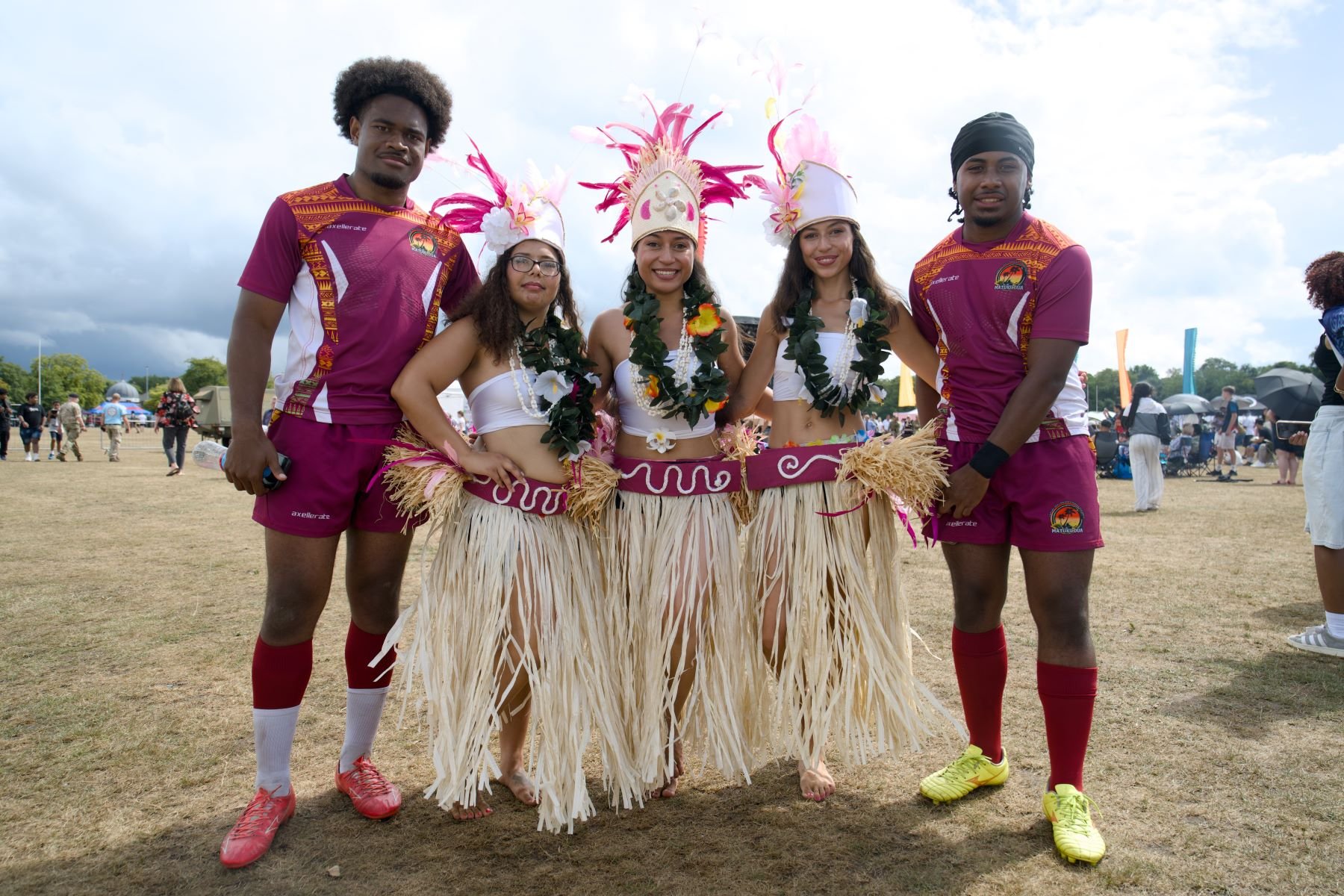
Cultural, sporting and commemorative moments intersect to generate societal impact. Photo: MaddMann Photography
Reconnection and rebuilding
Outdoor arts are often seen as superficial, where decision makers live in the safety and comfort of protected contracts, separate from the authentic lived experiences of the audiences they serve. They may have come from those communities but class in the arts engulfs and eventually consumes authenticity.
Bula shows that openness, collaboration and knowledge-sharing can create sustainable impact. A prime example comes from Middlesbrough Mela which has just marked its 35th anniversary, by far the longest community-led outdoor diaspora festival in the country. If the word Mela weren’t in the title, I wonder how much the national outdoor arts sector would have supported this much-loved intergenerational festival attended, in some cases, by four generations of the same family annually.
Following last summer’s riots across the country, the Mela Advisory Group and Nutkhut’s Mela Partnership supported communities to reconnect and rebuild after local unrest. This demonstrated the practical and tangible impact of strategic, inclusive leadership, demonstrating how festivals can play a vital role in society. Bula’s approach mirrors this model, ensuring learning is embedded and shared, not confined to one place or one event.
History and visibility
Bula’s success is grounded in collaboration. The festival brings together The British Army, Arts Council England and Rushmoor Borough Council – arts and the armed forces, a combination rarely seen but profoundly effective. Sharing expertise, resources and local knowledge extends cultural impact while meeting civic objectives. It is a model other festivals and arts organisations would do well to study.
The UK and Fiji share over 150 years’ history, through military service, colonial links, sporting success and cultural exchange. Only recently have these stories gained wider public recognition.
The Culture, Media and Sport Committee’s inquiry into major events has highlighted how cultural, sporting and commemorative moments intersect to generate societal impact. Bula sits firmly in this space, alongside VJ 80 commemorations and the Rugby Women’s World Cup, showcasing Fijian contributions across military, cultural and sporting life – a visibility rarely achieved through the lens of one community, a community with roots 10,000 miles away and practically invisible in British public life.
Looking forward
For a festival to succeed, it must resonate with the people it serves. Five years on, Bula illustrates what can be achieved when arts, sport and commemoration are brought together with clarity and purpose. Arts leaders – particularly in outdoor arts – should take note: share knowledge support each other and abandon outdated gatekeeping.
With AI rapidly reinventing the arts sector, the world of creative mavericks, artists as producers embedded in their communities, becomes that much more necessary. Strategic advisory groups, strong partnerships and grassroots leadership are not optional; they are essential for a sector committed to relevance, equity and impact.
Bula, Nutkhut, and the Mela Partnership are leaving footprints in the sand, in a way that culture, commemoration, community and connection can thrive together.
Join the Discussion
You must be logged in to post a comment.