If we strip away the chance for artists to develop we lose the soil in which ideas take root
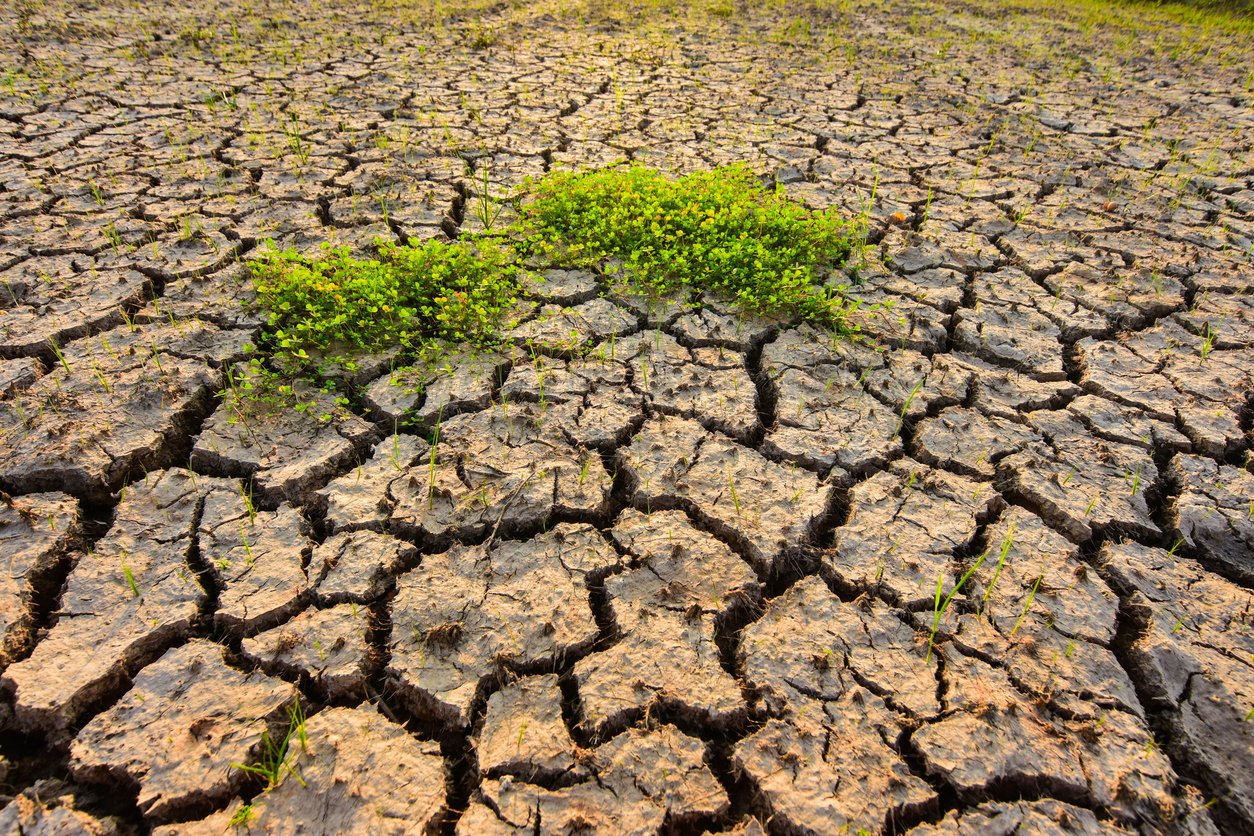
Photo: neenawat/iStock
You can’t grow culture by starving the soil
Hannah Jane Walker is a freelance creative practitioner, concerned about what future changes in Arts Council England’s development fund might mean for artists.
Arts Council England recently announced it will be making “some changes” to its Developing Your Creative Practice (DYCP) fund. They haven’t said what yet but in the arts we’ve learned how to read the silences.
In the past, when DYCP got too popular, they managed demand by quietly shutting out those who had already applied, whether they were successful or not.
I’ve worked in the arts for 23 years – almost a quarter of a century spent writing, performing, mentoring and building projects in schools, hospitals, prisons, food banks, festival, and theatres – some of which no longer exist.
I’ve applied to DYCP twice, in the shadow of the pandemic, when all my work disappeared overnight. I didn’t get it. I took time, reflected and rebuilt. I’ve spent three years waiting out the block out reapplication time, carefully preparing to apply again this October, with a clear plan for what could be a real step change in my work. And now? “Changes are coming.”
Managing demand
It’s such a neat phrase “managing demand”. But it’s not so tidy when you’re on the other side of it. If those of us who’ve applied before are once again excluded, we’ll be shut out without ever being told so directly. It will look like nothing has happened. But it won’t be nothing. It will be another quiet loss in a sector full of them.
And I know what people might be thinking. In the face of war, climate collapse, political chaos and housing injustice, why does a small funding scheme for artists matter?
Because the arts are how we stay human. They are where we connect, reckon, process and reimagine. They help us tolerate complexity. They offer a different kind of attention than the algorithm allows. They are how we build language for what hasn’t happened yet.
Outsourcing meaning?
And in a world where AI is moving rapidly into creative space – generating poems, stories, voices, images – the question becomes not can something be made, but who do we want making it and why?
We need creativity that holds memory, ethics, mess, risk. That emerges from lives fully lived, not prompts. We need skilled, experienced practitioners who know how to hold a room of strangers and help them feel something. We need people who’ve spent decades figuring out how to create work that listens back.
As Jeanette Winterson writes: “Art is the place where we make meaning out of what would otherwise be meaningless.” Without investment in artists, we risk outsourcing meaning itself.
DYCP is one of the few funds that support artists not to produce a product, but to grow. That’s what makes it rare, and that’s why it matters. If we strip away the chance for artists to develop, we lose not just ideas but the soil in which ideas take root. And in a country disinvesting in arts education, local venues and live performance, that soil is getting thin.
Resilience is not infinite
I’m asking that long-term commitment and experience be valued alongside new voices. That we stop treating resilience as if it’s infinite. That we recognise when silence is policy.
I’ve watched talented colleagues leave the arts because they couldn’t afford to stay in a sector so under-resourced. Their absence is invisible, but it’s everywhere. Less risk. Less depth. Fewer stories that surprise us into feeling.
So yes, make changes if you must but don’t make them quietly. At least name it and make the process transparent. Don’t leave seasoned, working artists staring at another locked door with no explanation.
We’re still here. That should count for something. And we are needed now, more than ever.
Join the Discussion
You must be logged in to post a comment.