

The challenge isn't about the power or relevance of the opera experience but about removing barriers to attendance
Photo: Leela Bennett
Reimagining destination arts: Building new audiences for opera
Tyler Stoops, CEO of The Grange Festival, is on a mission to develop its audience, creating a new model for destination arts experiences that makes opera more accessible than ever before.
In a climate in which arts organisations across the UK are struggling, at The Grange Festival we are achieving something surprising: 76% year-on-year growth in ticket sales, making 2025 our highest attendance season on record.
Nearly half these ticket buyers are new to the festival. La Traviata has become the best-selling show in our history, requiring an additional performance. At a time when cultural institutions face existential questions about relevance and viability, we’re demonstrating that innovative artistic programming combined with audience-centric strategy creates extraordinary results.
An untapped opportunity
When I arrived last summer, I was struck by the extraordinary beauty of this Grade-I listed neoclassical mansion surrounded by Hampshire countryside. The setting is undeniably spectacular but beyond its aesthetic appeal, I recognised an untapped opportunity: to welcome many more people into this remarkable space to experience the transformative power of live performance.
Having worked at other destination festivals like Glyndebourne and the Santa Fe Opera, I’ve taken part in many strategic discussions about balancing artistic excellence, audience accessibility and authentic experience.
At Santa Fe, where I got my start in artistic planning, most visitors travel long distances to make a week or weekend of their visit. The excellence on stage has to be truly spectacular, though in the end it is only a slice of the overall experience.
Good news for opera
Post-Covid, the world has seen an explosion of demand for ‘experiences’ – unique, memorable, emotionally engaging events that capture hearts, minds and wallets.
In the UK, research commissioned by Barclays from Centre for Economics and Business Research found that businesses involved in the experience economy contribute an estimated £134 billion to the wider UK economy, and that figure is expected to grow.
That’s good news for places like The Grange Festival, with its one-of-a-kind venue and setting. And it’s good news for opera – a sonic immersion in emotion-rich stories delivered with expressive humanity and large-scale design.
Every element is engineered with purpose, from music to movement to design, with dozens of masterful musicians and craftspeople ensuring the story you experience is deeply impactful. It doesn’t get any more experiential than that.
Breaking down barriers
The challenge, then, isn’t about the power or relevance of the opera experience but about removing barriers to attendance. Our approach has been methodical and data driven.
We’ve redesigned our pricing entirely, with over 5,000 tickets under £100, and full price tickets from £12. Our new Under 36 Tickets programme, developed with the support of the Laidlaw Opera Trust, offers seats from as little as £5 for 18–25-year-olds and £15 for those 26-35. Over 600 young people have already taken advantage.
We’ve also addressed practical barriers: introducing an audience coach from Winchester and revamping our interval dining with more choices at varied price points, including great value wines from £18 a bottle.
These seemingly minor changes send a powerful message about who belongs at The Grange.
Artistic innovation and partnership
Creating multiple artistic entry points for diverse audiences is equally essential. Our UK premiere of Les Indes Galantes exemplifies this approach. Directed by Bintou Dembélé, a pioneer of hip-hop choreography in France, this production will also be staged in Milan and Madrid. By bringing contemporary movement vocabulary to baroque opera, Dembélé creates unexpected connection points for new audiences.
Continues…
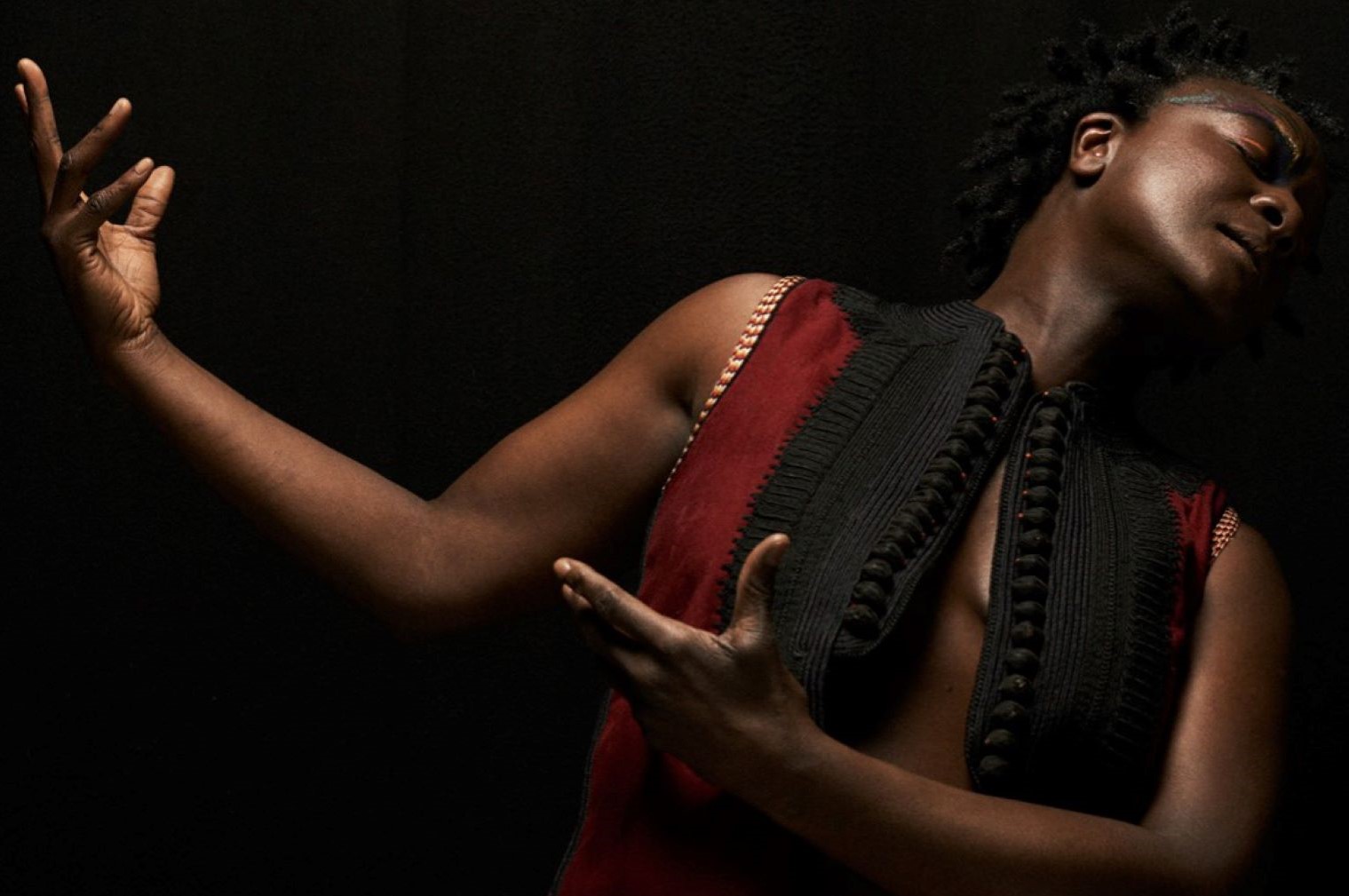
From Les Indes Galante
Similarly, our Queen at the Opera concerts explore the fascinating connections between opera and the music of Freddie Mercury and Queen. The planned performances quickly sold out, and our added performance has fewer than 50 tickets remaining, demonstrating the appetite for innovative approaches.
We also know that opera and the arts need more connection points with young people. Our Family Open Day in May was our first foray into a range of cross-artform creative activities for young people and their families, in addition to the workshops and performance opportunities we provide for young people at every festival.
With our educational and community initiatives across Hampshire we’re not just supporting great outcomes for young people, we’re also cultivating the arts advocates, artists and audiences of tomorrow.
The future
The challenges currently facing UK arts organisations are formidable – reduced public funding, shifting leisure preferences, economic pressures and challenging talent landscapes. But I remain optimistic.
When we remove barriers to participation, create multiple pathways for discovery and maintain unwavering artistic quality, audiences respond with enthusiasm.
Our experience at The Grange Festival suggests opera isn’t a dying art form – it’s a thrilling immersive, human experience waiting to be discovered by people of all ages.
By combining artistic integrity with audience-centric innovation, we can ensure this magnificent form of storytelling will continue to move and inspire for generations to come.
Join the Discussion
You must be logged in to post a comment.