
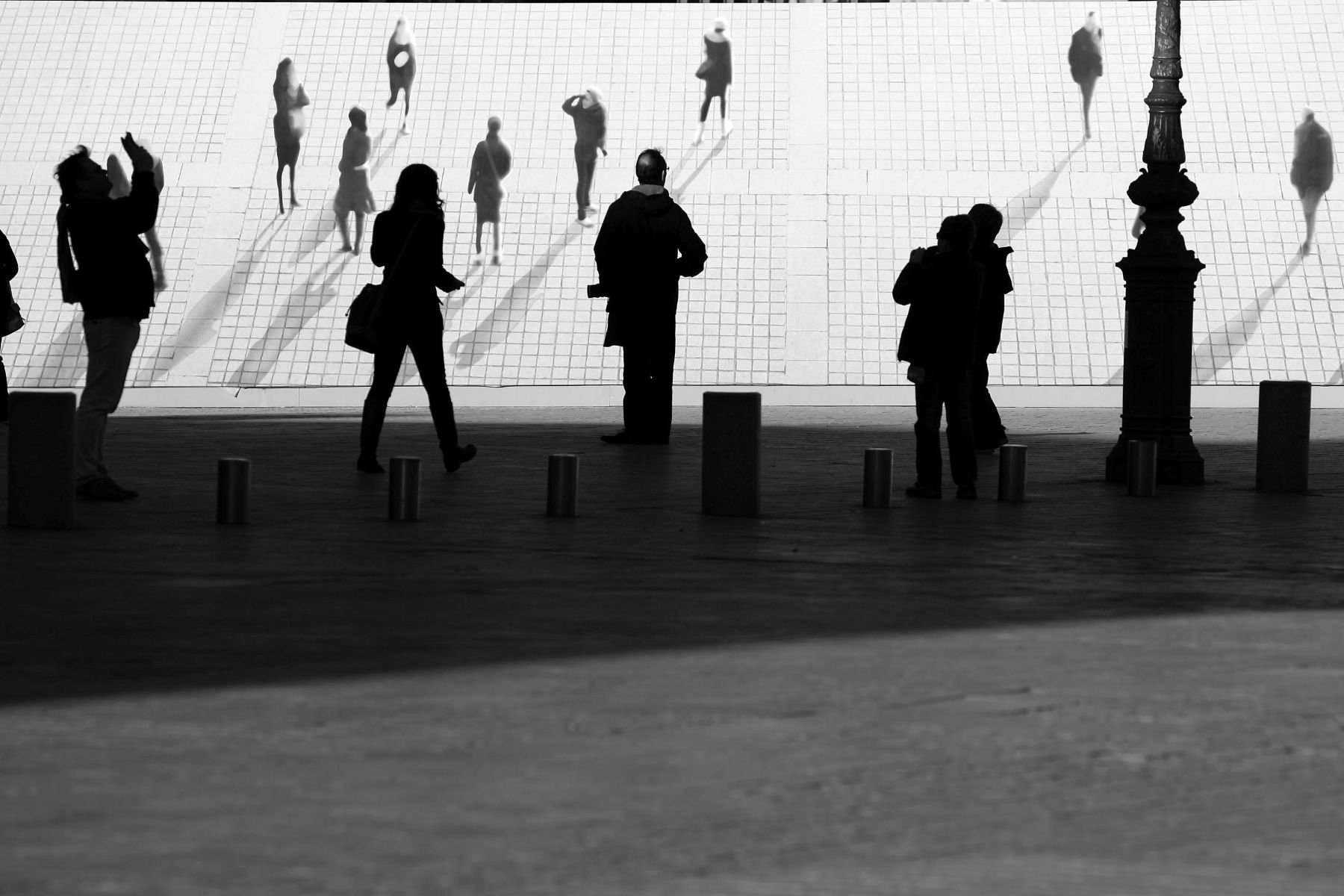
Digital platforms increasingly play a crucial role in how people engage with cultural experiences
Photo: Goffredo Crollalanza/Unsplash
Bridging the digital divide: The role of technology in cultural connection
As the arts sector continues to change, there is an opportunity – and a responsibility – to reflect on the role digital systems play in shaping cultural participation, writes Substrakt’s Maisie Burn.
Access to culture is vital to community identity, social well-being and social cohesion. It helps people feel connected and represented. And with widespread access to modern technology, it’s easy to assume we are more connected to the arts than ever – but is that really the case?
As the world moves towards increasingly complex digital technologies, the ways in which audiences are accessing arts and culture is continually changing. Digital platforms increasingly play a more crucial role in how people engage with cultural experiences, particularly when it comes to ticket booking, which is often the first interaction someone has with an organisation.
As a digital agency working with a wide range of cultural organisations, we’re always asking whether these platforms are bringing audiences together – or unintentionally leaving some behind.
Having built an online ticketing platform for the cultural sector with accessibility and inclusive design at its core, we can share some simple yet highly effective changes that make online ticketing and other digital systems far more accessible.
When technology is a barrier, not a bridge
More – or more sophisticated – technology does not automatically lead to greater inclusion. While digital platforms are often designed to streamline operations and increase efficiency, they rely heavily on an audience’s ability to use them confidently.
Too often, they unintentionally create new barriers, particularly for people whose age, background or circumstances make digital systems feel intimidating or inaccessible.
Research and sector reports consistently show the digital divide is no longer just about internet access. While connectivity remains an issue for some communities, barriers increasingly relate to how digital systems are designed and who they are designed for. These barriers include:
- Age and digital confidence
- Rural and urban access
- Language and cultural norms
- Socio-economic background
- Disability and accessibility needs
Without intentional, user-centred design, complex online box office systems and ticketing journeys can make assumptions about their audiences. Rather than acting as a welcoming entry point, they become a point of friction – where people disengage entirely. What should be an exciting cultural experience instead becomes a moment of exclusion before audiences even reach the door.
These systems often assume that audiences:
- Are confident navigating multiple steps in an online purchase
- Understand ticketing terminology and pricing structures
- Speak English (or the primary site language) as their first language
- Do not require assistive technologies
- Have prior experience engaging with arts and cultural venues
A sense of belonging in a tech-heavy world
Access to digital technologies is fundamental to cultural inclusion. Like all forms of accessibility, it works best when it is embedded from the very beginning of the design process – not added as an afterthought.
When it comes to the ticketing journey, a user-friendly, intuitive and accessible pathway does more than enable a transaction. It builds trust, reduces anxiety and helps audiences feel confident – both in using the system and in their relationship with the organisation itself.
At its best, technology can actively support social cohesion. When digital experiences are thoughtfully designed, they help remove uncertainty and create a sense of inclusion long before someone arrives at a venue.
Inclusive digital systems typically:
- Use clear, plain language
- Work seamlessly across multiple devices, including assistive and accessible technologies
- Adapt to different languages and cultural contexts
- Minimise unnecessary steps and friction points
- Are intuitive for people with a wide range of abilities and levels of digital confidence
- Prioritise simplicity as a core design principle
Well-designed digital experiences don’t draw attention to themselves – they quietly build confidence. By reducing uncertainty and complexity, they allow audiences to focus on what really matters: the cultural experience itself, not the process of accessing it.
Our cultural responsibility
Bridging the digital divide in the arts will not come from adding more layers of technology, but from designing better ones – systems that enable cultural organisations to adapt in an ever-changing digital world. By prioritising adaptability, inclusivity and user-first design, organisations can better support the ways audiences engage with culture today.
At Substrakt, we see the user journey as central to an organisation’s relationship with its audience. When building Viadukt – our accessible online ticketing platform – we worked with both users (with and without access needs) and a number of cultural organisations to make sure it delivered the key principles discussed here: reducing friction in the customer journey, supporting diverse audiences and being universally accessible.
But we know digital accessibility is an ongoing journey, it’s something we need to evolve with to make sure we continue to create inclusive digital spaces for cultural audiences.
As the arts sector continues to change, there is an opportunity – and a responsibility – to reflect on the role digital systems play in shaping cultural participation. The ways audiences access and navigate technology directly influence who feels included, welcome, and connected.
By recognising that technology has a powerful impact on social cohesion, cultural organisations and digital practitioners alike can help bridge the digital divide – ensuring technology strengthens cultural connection rather than deepening existing divides.
Join the Discussion
You must be logged in to post a comment.