
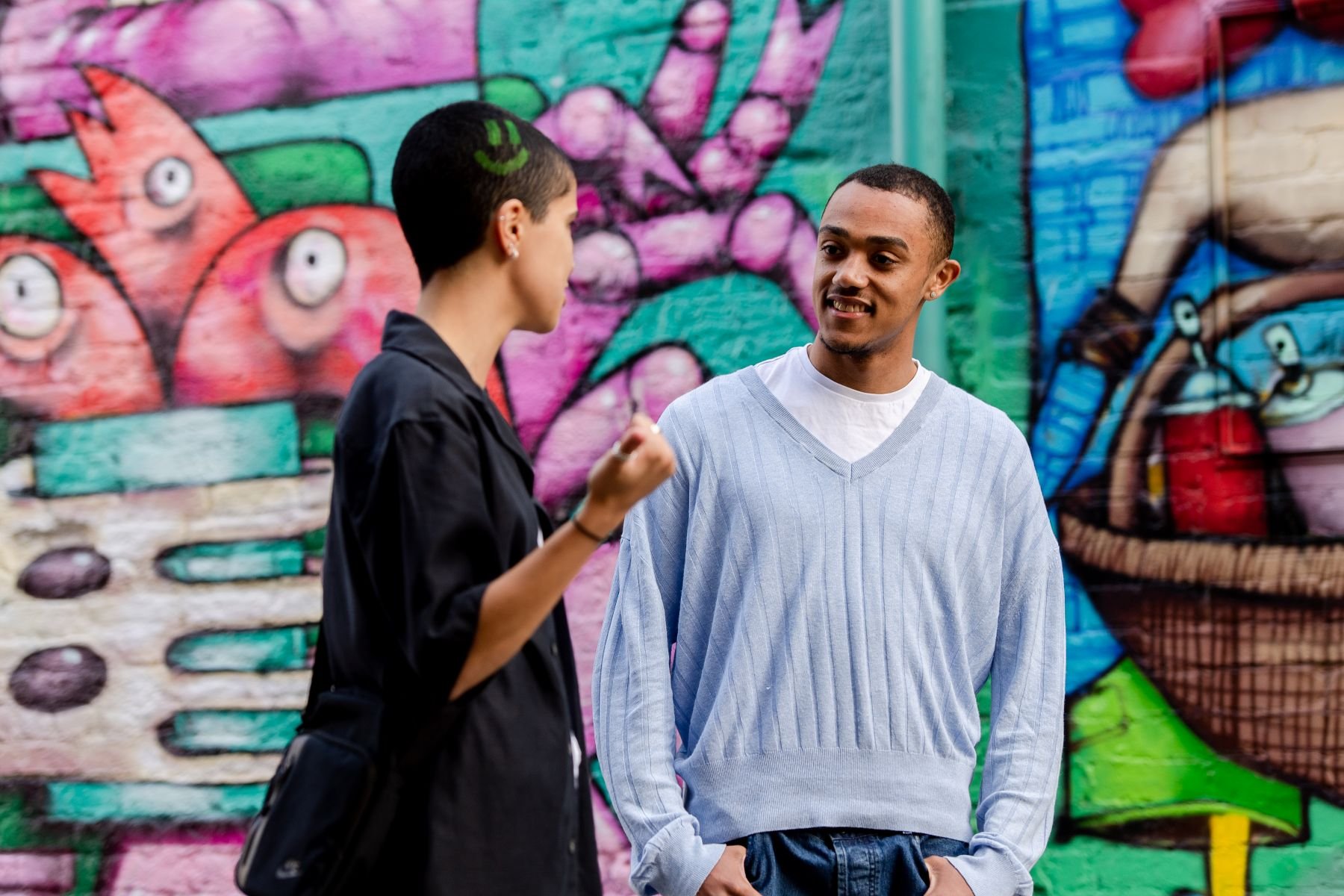
'What we need to do – as a sector – is to get audiences to buy more groceries'
Photo: Carrie Devenport
Audience data got us thinking about grocery shopping
Do we have a problem with engaging audiences? Or do we just think we do? Áine McCarron from the Northern Ireland research and evaluation company, thrive, explains why new research sent them to the shopping aisles.
Thrive has spent the last 20 years talking about audiences. And many of those conversations have focused on the levels of loyalty and engagement with individual organisations. We know from ticketing data consistently that customers come once a year at best. So, we talk to people about how to increase the number of those visits.
All good, yes? That was until we digested the results of our IMPACT research. IMPACT is thrive’s comprehensive audience research programme which not only captures crucial information on demographics and behaviour but also evidences the impact of arts attendance. To date, we have surveyed over 7,700 people across Northern Ireland.
What we found was most audiences engage with arts and culture multiple times a year. 93% of IMPACT audiences engage in arts and culture twice a year or more, including 44% who engage six+ times a year.
Were we wrong? No. The issue was that before IMPACT we didn’t have the final piece of the (data) jigsaw. It is not that the data sources we looked at before were wrong. More that they tell you a different part of the story. And it was only when we put it all together that the lightbulb pinged on.
The big shop
We started to think of it like grocery shopping. You might do your ‘big shop’ in one supermarket. But you will also get your vegetables from a greengrocer and then pop somewhere else for a special treat.
What we have been doing until now is encouraging organisations to go after other customers – to buy your vegetables with the weekly shop because it is more convenient or cheaper. But what we need to do – as a sector – is to get audiences to buy more groceries. If we displace each other’s audiences, we only solve our own individual problems.
A more collaborative and strategic approach is needed. The goal is not competition (an easy mode when already fighting for survival on dwindling funding streams), it’s growth. People already attend a lot of arts events, so they are engaged. And frequently. It’s just in lots of different places.
We need to talk about opportunity, communication, choice and, as always, quality audience experience. As well as encouraging organisations to think in collaborative and multidisciplinary ways, funders and decision-makers should also do the same. Policies that are built around getting more people to engage ignore the fact that people already are.
You could say it’s about getting the right people to engage more often. The ‘hard-to-reach audiences’ we hear so much about.
But IMPACT pushes back on these stereotypes and myths about who engages. It shows those high levels of engagement span all age groups and backgrounds. Young people are among the most frequent engagers. Disabled audiences are just as engaged as non-disabled audiences, despite facing a wide range of barriers long before they set foot in a cultural space.
Everyone needs groceries. But where they go for them and what they buy very much depends. And if we share audiences, let’s also share information about them. It’s only then that we can listen to what the data is really telling us.

Join the Discussion
You must be logged in to post a comment.