
There is a risk of thinking access is somehow 'fixed' or 'we’ve done our bit, let's move on'
Photo: Karol Wyszynski/All In
There’s no such thing as ‘fully accessible’
Arts access champion, Andrew Miller, works to make it easier for disabled people to experience the breadth of culture the UK has to offer. While significant strides have been made in recent years, he’s worried we might become complacent.
In the midst of yet another challenging time for disabled people, when venues promise to be ‘fully accessible’, alarm bells start ringing for me. I’ve seen this claim repeatedly over the years, but as many disabled people know, there’s simply no such thing. The notion of anything being ‘fully accessible’ is a myth just like ‘registered disabled’ and neither help the disabled audiences we all want to welcome.
People with the same disability can have very different access requirements – and sometimes those requirements clash. What one wheelchair user needs differs from the next, as it does between people with learning disabilities, visual impairments, hearing loss and more. Access does not have a one-size-fits-all solution.
What we – as disabled people – want is clarity. Rather than slapping on a meaningless ‘fully accessible’ descriptor, give us the detail. Specificity is everything! From the precise clearance on doors to sharing a schedule of captioned performances, to giving the exact distance to the nearest accessible toilet. By sharing the detail of your accessibility provisions, you give people the confidence to book tickets and turn up to a show.
If venues have access limitations, it’s important to be honest about them. By being forthright about whose needs can and can’t be met, means we can do more to improve the situation for those still facing barriers. By identifying these limitations, rather than denying them, together we can take steps to implement significant social change.
Nine times more barriers
The reality of these barriers was highlighted recently in Indigo Ltd’s Access Culture survey. The findings reveal that disabled people are far more likely to check online access information ahead of their visit yet very often struggle to do so as it’s either not there, difficult to find, or unclear.
Disabled people are more than nine times more likely to struggle with booking tickets online and securing the accessible seating they need. That’s nine times more barriers!
Disabled people have limited confidence that their needs will be met at cultural venues, and that lack of confidence impacts attendance. Examples of barriers such as “people standing directly in front of wheelchair spaces” chimed with me.
In over 40 years of attending events, many have been ruined in exactly these circumstances – and that’s not to mention nearly every standing ovation everywhere. How many of us, jumping to our feet after a performance, think twice about who’s sitting directly behind them?
Continues…
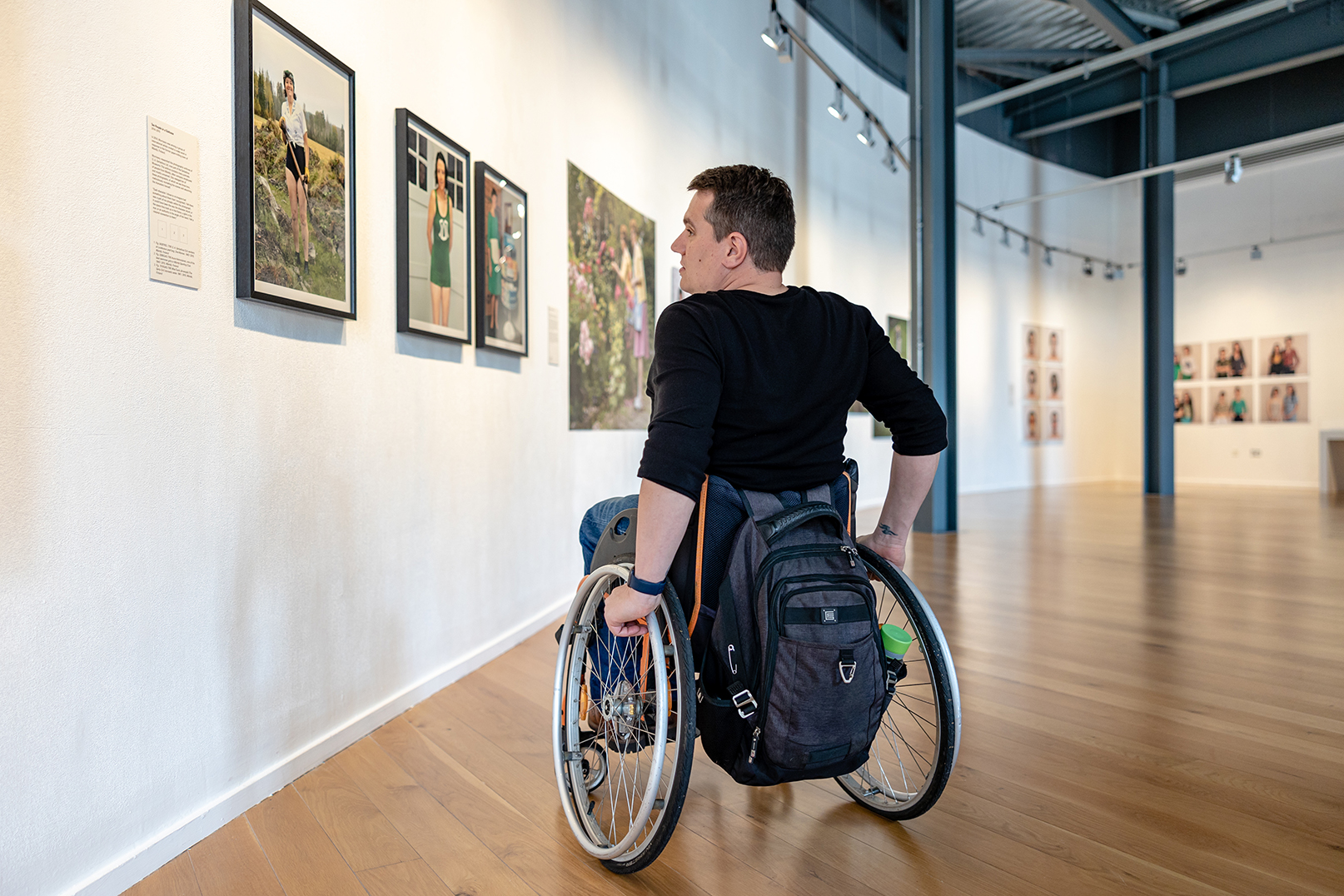
Photo: Karol Wyszynski/All In
A risk of thinking access is ‘fixed’
Yet, there have been significant strides in inclusion across the arts in recent years, demonstrated by the increase in disabled employees and leaders in the recently published Arts Council England National Portfolio 2018-23 statistics and made visible by the increasing recognition of disabled talent at Bafta, Olivier and UK Theatre awards.
But with arts organisations facing huge challenges and unprecedented high operating costs, I am worried that we might become complacent on inclusion. The collective progress the industry has made is of such significance that there is a risk of thinking access is somehow “fixed”, or “we’ve done our bit, let’s move on”.
We’ve seen this before. After periods of sustained progress, complacency almost always follows. Whether it’s a change in priorities, funding or leadership, access can fall by the wayside and halt progression. This stop/start approach to inclusion has been the bane of my and many other other disabled people’s lives, because access never stands still, and our needs evolve as the Access Culture report demonstrates.
Changing mindsets
This need for detailed, honest accessibility information isn’t just theoretical – it’s why the five UK and Ireland arts councils are working together on a solution. All In is the new access scheme for creativity and culture, designed to address these challenges.
All In will introduce the UK and Ireland’s first accessibility standards, as well as support and skills development to boost the sector’s disability confidence. And as part of All In, you’ll self-audit your existing access provisions, helping you identify your strengths and limitations, and target your future improvements in accessibility.
Plus, with the latest innovations in technology, our digital features will streamline booking processes, making it easier for disabled customers to share their access requirements and buy tickets. No more guesswork, no more misleading ‘fully accessible’ labels, but clear, up-to-date information at all times.
All In announced the launch of its pilot programme in Leeds last year, where we are testing the standards and technology ahead of national roll out in the second half of 2025. A diverse range of organisations are taking part, including Leeds Heritage Theatres, Leeds Museums and Galleries, Leeds Playhouse and Opera North.
I want All In to make it easier for disabled people to experience the breadth of creativity and culture the UK and Ireland have to offer. Moving away from ‘fully accessible’ claims isn’t just about changing language – it’s about changing mindsets. This level of detail builds trust with disabled customers, drives improvements where needed, and ultimately creates better experiences for everyone.
Join the Discussion
You must be logged in to post a comment.