
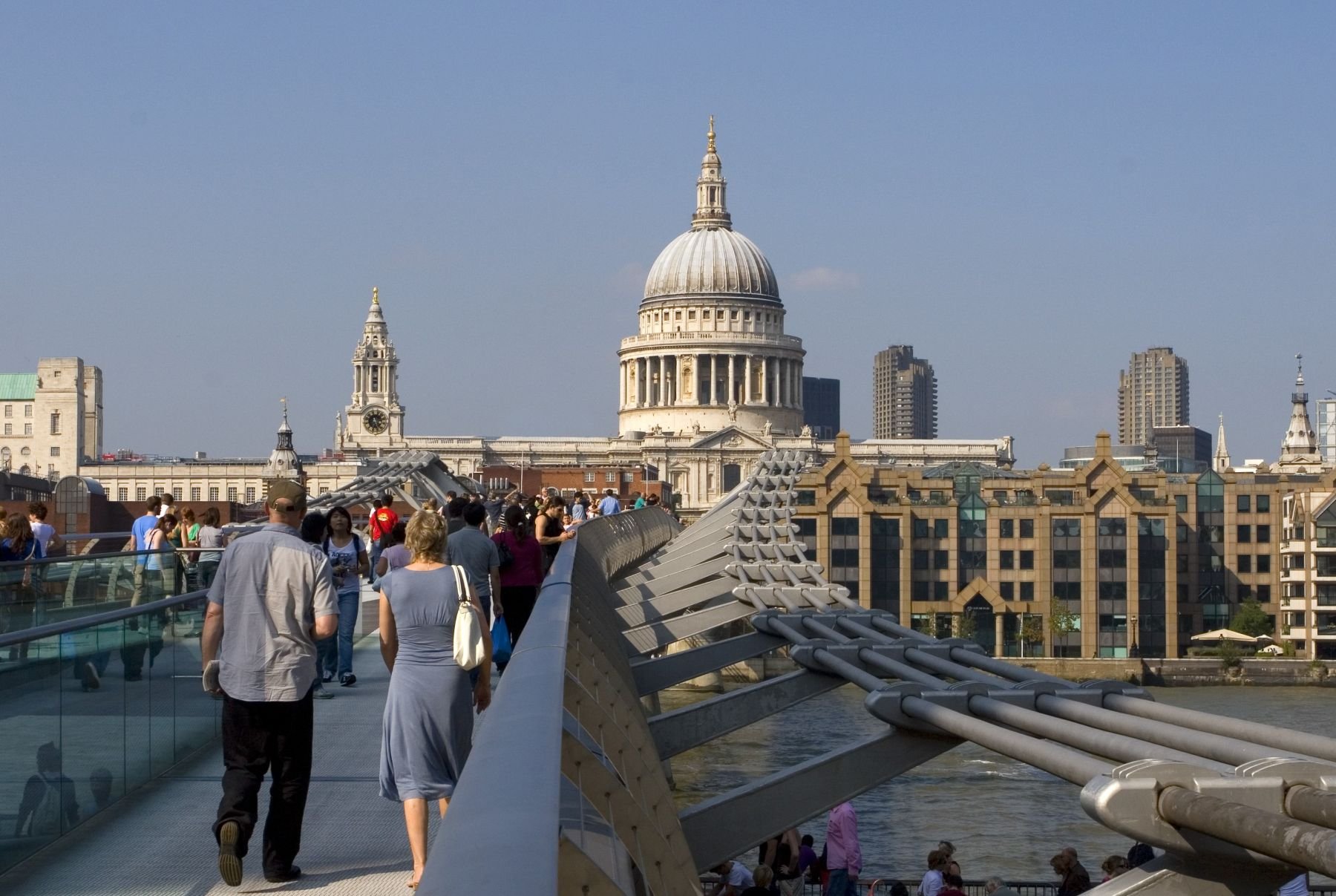
Photo: Fede87/iStock
Should England introduce a tourist tax?
A well-designed tourist tax can be a powerful tool for cultural sustainability creating a revenue stream to support improvements to a place, as well as boosting economic resilience. But the devil is in the detail, writes AF&P’s Michelle Wright.
Tourist or visitor levies (sometimes called a transient visitor levy, bed tax or occupancy tax) are now common across Europe and beyond. Barcelona and Venice are good examples, with levies ranging from modest per-night charges, to tiered percentage levies on room bookings, or specific charges for day trippers.
Many cities channel at least part of the revenue into cultural or heritage infrastructure and visitor management services. For example, Barcelona generated €106.5m from tourist tax in 2024, making it the third largest source of city-wide funding.
The model is of interest to mayors and local leaders in the UK, and is being actively explored in Scotland and Wales. In Scotland, for example, a Visitor Levy bill has been introduced. Edinburgh now plans to introduce the tax in 2026 (a 5% payment on the cost of the paid, overnight accommodation for the first five nights’ stay), to help deal with accommodation issues at the Fringe festival. The aim is to raise £50m+, which will help develop local visitor facilities. Although, HMRC is also imposing VAT on the levy.
Similarly, Wales approved a bill in July 2025, allowing councils to introduce an overnight levy to invest in tourism infrastructure. This is currently set at a rate of £1.30 per night per person (except for campsites and hostels).
What could be achieved in England?
In England, a coalition led by Liverpool city region Mayor, Steve Rotheram, argues that a levy could unlock vital funding for tourism and culture, empower growth and reduce dependence on central government funding.
Advocates of the model believe a levy would raise important funding for cultural and place-based priorities, and that tourism would increase as places get better. However, critics similarly warn about problems in ensuring the fair distribution of funds, high administration rates and increased competition from place to place. There is also concern that local authorities will have the freedom to design and introduce their own locally administered visitor levies, although a standardised national levy could also be introduced.
Rotheram suggests that in the Liverpool region, which hosts more than 60 million visitors annually, a levy could raise nearly £11m a year. Similarly, Greater Manchester estimates a £1-5 a night levy could generate up to £40m a year for regeneration projects, such as that proposed at Old Trafford.
Currently, there are no plans to introduce such a scheme in England, but local city councils have introduced a tourism levy through a legal workaround called a ‘tourism-based Business Improvement District’ (BID). These collect additional payments from businesses in certain areas, such as Manchester and Salford, but with the costs falling on business ratepayers, rather than tourists.
The pros and cons of tourism levies
Of course, tourism might seem an obvious choice for a new type of income generation. In many English cities, tourism is a major driver of earned income – museum and heritage visits, festivals and theatre trips, are all boosted by visitors. Yet as tourism grows, so do the costs associated with it: the wear-and-tear on buildings, front-of-house staff, conservation, transport, housing and crowd management.
So at face value, a tourist tax is attractive because it: directly links revenue to demand i.e. those who put pressure on local infrastructure and cultural assets contribute to their upkeep; and it unlocks new, relatively predictable, income for culture.
However, there are downsides. Perhaps the most concerning aspect of locally-based tourism levies is that decisions about where the money is invested depend entirely on political choice. Cities like Barcelona, Paris and Venice, explicitly earmark at least some funds for heritage and cultural programming, visitor management and environmental protection – but this needn’t necessarily be the case. It could be that at times of fiscal distress, funds could be redirected away from culture to more popular or urgent causes.
Another key risk may be found in alienating tourists that wish to visit a welcoming country. In iconic cities, price sensitivity isn’t likely to increase significantly. But in secondary destinations, visitors may be lost if the costs to visit a place spiral. Such concerns have seen cities such as Venice encounter protests, when taxes are seen to curb individual freedoms.
Such a levy could also put pressure on people using hotels when visiting relatives, or low-income and younger visitors, especially if costs are passed into ticket prices or service charges. Careful exemptions and mitigation (e.g. resident discounts and exemptions for key workers) are required. In Edinburgh, the proposal is that those receiving disability benefits are exempt.
Another risk is that tourism taxes may persuade government that ‘culture is taken care of’ and does not require central investment. This could lead to further reductions in grants and donations. The investments from such taxes are anyway likely to focus on larger, city-based, visitor-facing institutions, as opposed to smaller grassroots offerings or community-facing artists.
Allocation frameworks therefore need to consider both infrastructure and creative practice support. The Cultural Policy Unit argues for a borough-based distribution model, with revenue going to the best projects and institutions, as well as a redistribution of some funds to organisations and activities outside the main towns and cities.
How do cultural organisations respond?
A well-designed tourist tax can be a powerful tool for cultural sustainability: it creates a direct revenue stream from those who use and place pressure on cultural assets, and can support improvements to a place, as well as boosting economic resilience. But the devil is in the detail – aspects such as design, distribution and exemptions, will determine whether a levy becomes a boon for culture, or an added burden that widens inequalities and nudges visitors elsewhere.
In this context, cultural leaders need to engage with local plans early, ensuring they have a seat at the table as tourism taxes unfold. Cultural organisations should:
- Make the case early – ensuring allocations protect buildings, infrastructure and community and artistic practice, and that there are safeguards to ringfencing the provisions for culture, for organisations both large and small.
- Innovate the design – limit risk (modest flat fees and tiers influenced by accommodation quality), as well as exemptions for the people and communities that require it.
- Prepare your plan – have projects ready for investment, such as capital works, audience development and workforce support schemes. Organisations should be prepared to outline evidence to decision making committees of tourism-linked costs, for example, wear and tear.
It seems tourism taxes are on their way in England, so now is the time for our cultural organisations to prepare.
Join the Discussion
You must be logged in to post a comment.