
Beamish, The Living Museum of the North is at the forefront of sharing best practice in skills, experience and representation
Photo: David Levene/Art Fund
Museum of the Year: Finalists share hopes for the future
With the recent announcement of the five finalists for this year’s award, Art Fund’s Emma Mills, Art Fund Museum of the Year project lead, has been talking to their leaders to hear their thoughts on where the sector is headed.
The five museums in the running to be crowned Art Fund Museum of the Year 2025 – the world’s largest museum prize – are Beamish, The Living Museum of the North (County Durham); Chapter (Cardiff); Compton Verney (Warwickshire); Golden Thread Gallery (Belfast); and Perth Museum (Perthshire).
The annual award celebrates the power of museums to inspire, educate and bring communities together. The judges award the £120,000 prize to the finalist with standout achievements over the previous year. The four remaining finalists each receive £15,000. The prize is funded thanks to the generosity of Art Fund’s members who buy a National Art Pass.
This year’s shortlist features museums that have pushed boundaries and left a lasting imprint on their communities. Their achievements include innovative partnerships with D/deaf audiences, creative projects with migrant communities, world-class programming and transformative contributions to placemaking and civic pride.
As an organisation committed to advocating for the sector, Art Fund sees Museum of the Year as a moment to celebrate its impact, amplify its voice and make the case for the sector’s continued growth and sustainability. We hope our campaign will encourage people not only to visit the brilliant museums on the shortlist, but to explore museums in their local area, and discover the powerful role these institutions play in our lives.
Continues…

ROMANTIC IRELAND by Eimear Walshe at Chapter. Photo: David Levene/Art Fund
In that spirit, we caught up with the directors of this year’s shortlisted museums to hear their perspectives and expert opinions and ask them what their hopes are for the future of the museum sector. Several common themes emerged.
Museums as spaces of hope, healing and resilience
Hannah Firth, artistic director and co-director of Chapter, said: “Museums – as spaces of resilience, joy and imagination – have the potential to hold us in closer proximity to each other; to foster practices of connection, care and solidarity that can liberate us from the uncertainty of the present and enable us to actively imagine new futures.”
Sarah McAvera and Peter Richards, co-directors of Golden Thread Gallery, agreed: “What we strive to do every day is offer a glimpse of hope: an alternative reality that is something to hold on to… More and more people will discover the power of creativity and use it to sustain themselves.”
Geraldine Collinge, chief executive officer of Compton Verney, added: “Our visitors tell us that Compton Verney is a unique place to visit that ‘simply makes you feel better’.”
Continues…

British Folk Art Gallery, Compton Verney. Photo: Stuart Thomas/Compton Verney
Community collaboration and co-curation
The finalists all highlighted work with their local communities in their answers. Helen Smout, chief executive of Perth Museum, said: “Meaningful collaboration with our communities is always at the centre of everything we do.”
Firth added that the sector should “create the conditions for meaningful dialogue and co-creation… make space for generative, equitable ways of working… embedding communities in leadership,” and Collinge explained that “[at Compton Verney] we believe through collaboration we can create a bold, inclusive and effective museum sector… working with our regional visual arts colleagues.”
Rhiannon Hiles, chief executive of Beamish, said: “Many museums are centres for volunteering and developing talent, skills and opportunity. Within our museum, like many others, employability and economic impact play a significant role within the regional and national economy. And we are at the forefront of sharing best practice in skills, experience and representation.”
Inclusion, representation and breaking barriers
McAvera and Richards said: “Our programming welcomes the lives, stories and histories of our diversifying region,” – something which played a huge part in their shortlisting. Similarly, Smout emphasised the importance of “breaking down barriers to participation… [and being] proactive in addressing under or misrepresentation in both our work and our collections.”
Continues…
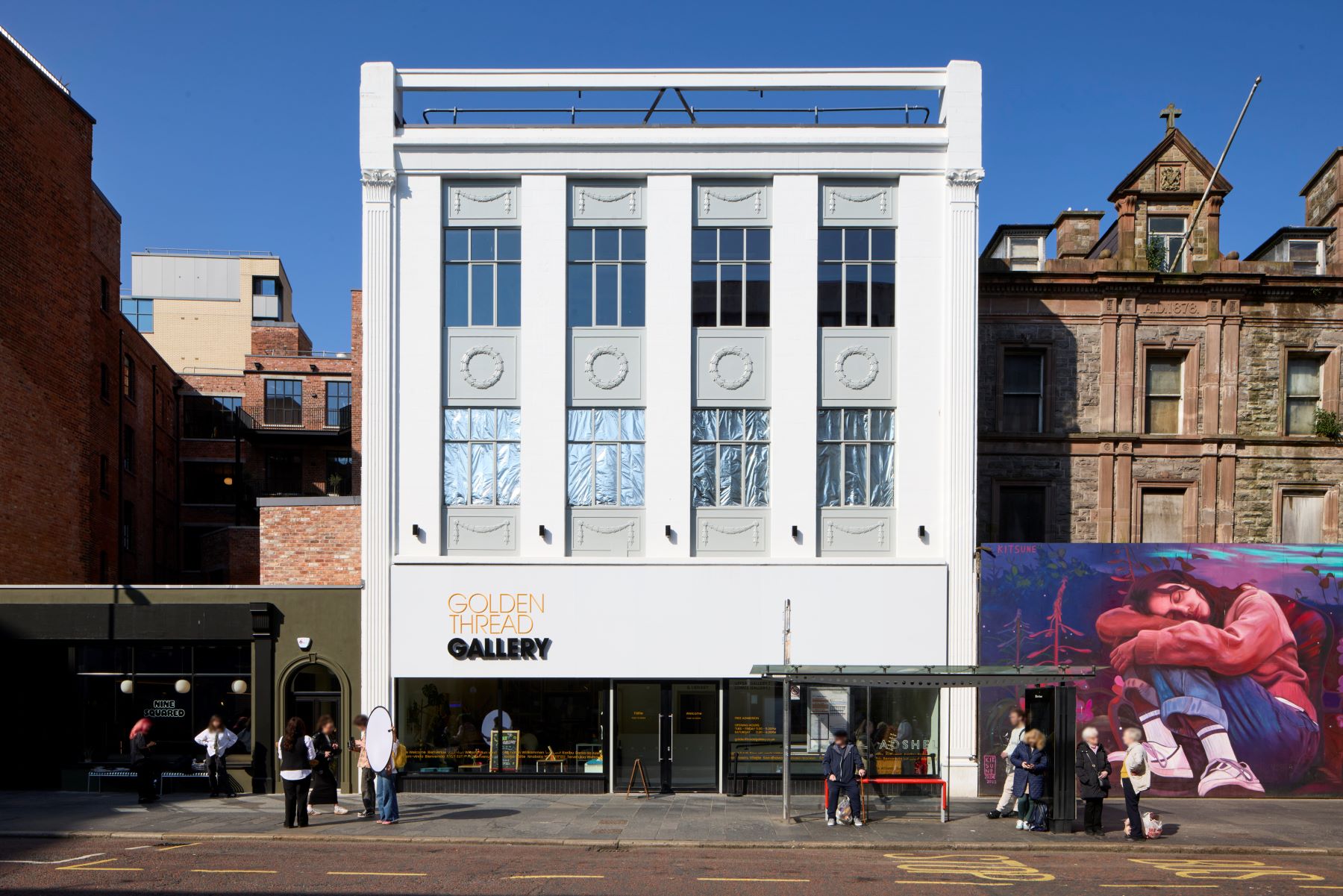
Golden Thread Gallery, Belfast. Photo: David Levene/Art Fund
“We want everyone to be part of our story – from the very young to older people,” Collinge added. Hiles agreed: “Continuing to put people at the forefront and remaining innovative and relevant to audiences is key as we grow and move forward.”
Imagination, creativity and the future
The finalists are looking to the future in different ways. Firth said that Chapter’s approach will “enable us to actively imagine new futures [and] unleash our radical imaginations,” while Collinge hoped to continue to “work in partnership with nursery schools so that the power of creativity is embedded from the very early years.”
Hiles reflected on Beamish’s local impact, saying, “Museums make an invaluable contribution, including through health and wellbeing, learning and skills, regional and national growth and development, and inclusion.
“We are committed to supporting communities in accessing culture, heritage and green spaces. Our unique collections connect people with their heritage in diverse and creative ways, which take place in our amazing spaces.”
McAvera and Richards spoke of how “Golden Thread Gallery was named after its first home in an old linen mill. While linen once offered our region the chance of financial security and sustainability, our golden thread is the vision and creativity of our audiences, participants and artists.”
Continues…
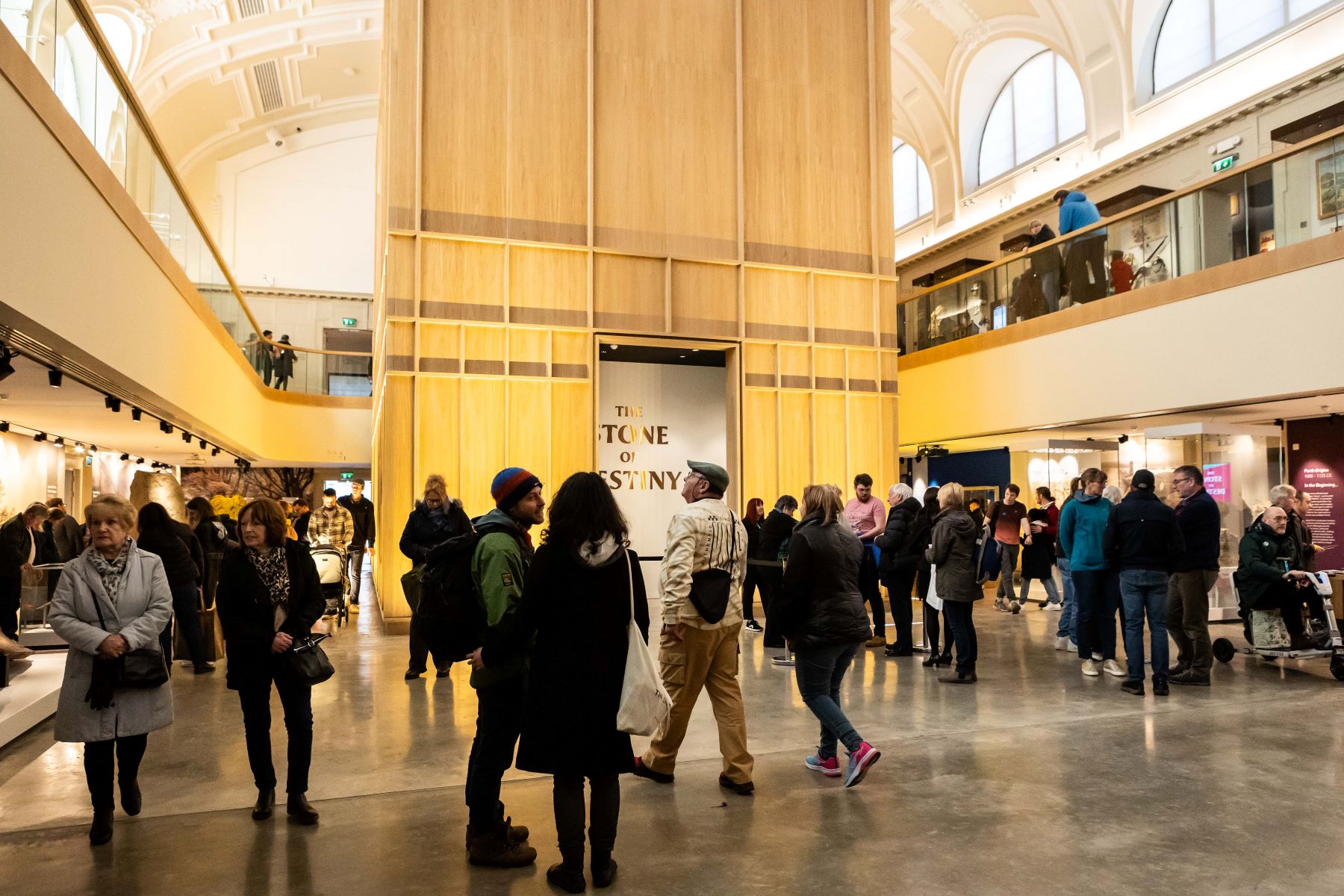
Main hall at Perth Museum. Photo: Sally Jubb
Smout said she wanted to “explore new partnerships and be open to challenge and debate,” recognising that “sustainable funding and resourcing are absolutely crucial to ensure the long-term future of so many of our services and collections, and I hope governments and policy makers in all nations recognise what they might lose without this. We all need to nurture this incredible cultural ecosystem so it can continue to flourish and enrich our lives.”
The winner of Art Fund Museum of the Year 2025 will be announced on 26 June.
Find out more about the finalists here.
Join the Discussion
You must be logged in to post a comment.