‘Don’t go it alone, don’t reinvent the wheel’
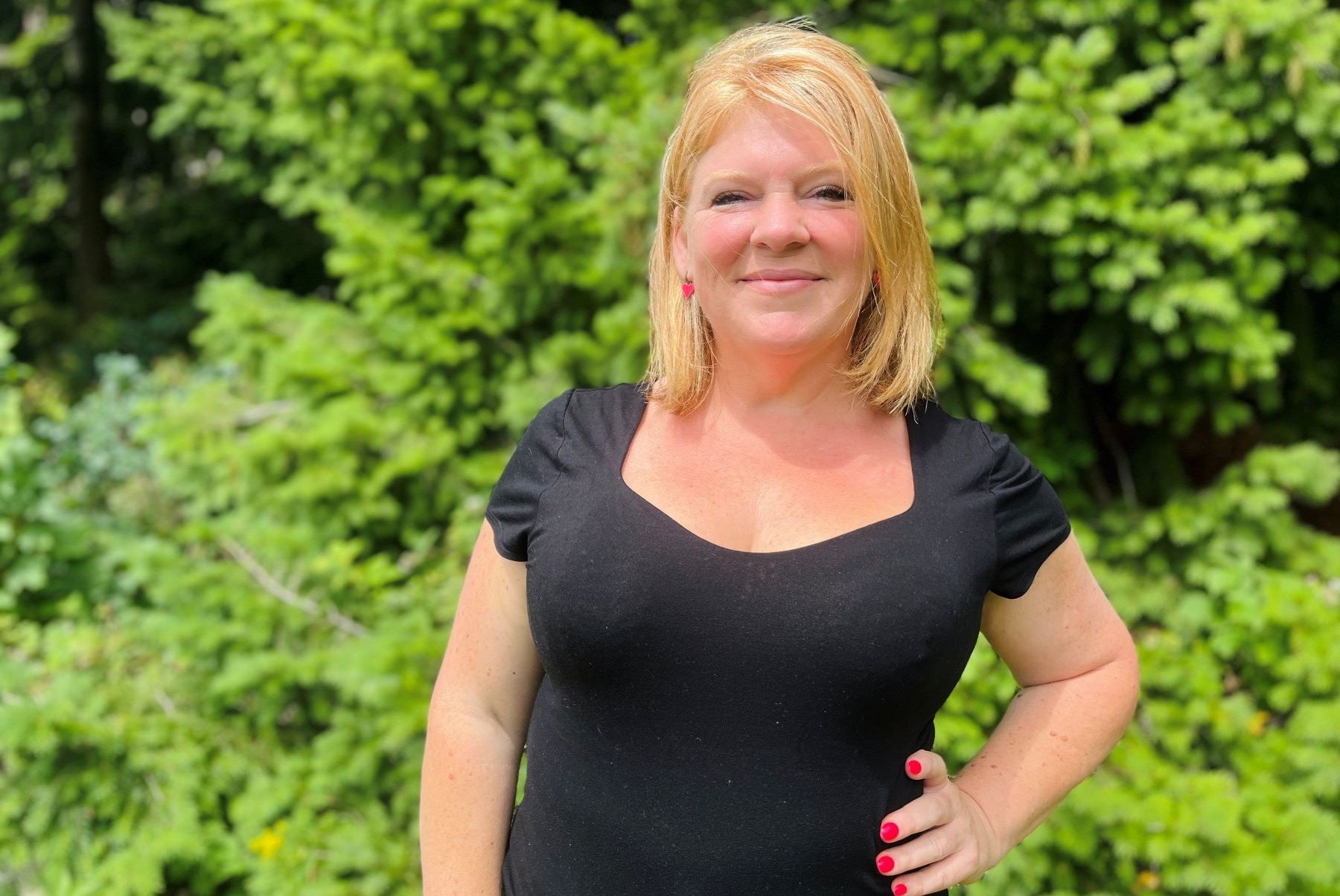
What gets Holly Payton-Lombardo out of bed in the morning is working with people who care – festival founders, village hall volunteers, artists or programmers reimagining their place in the world.
I’m driven by people’s passion. Listening to their stories, understanding their needs, spotting the problem and removing the obstacles. That’s where I work best.
As a cultural connector, my career has been about opening doors. From local events to global networks, I’ve built platforms enabling people to share, learn, collaborate, and advocate together.
Networks don’t just bring people together, they bring about change. And when people feel seen, safe and supported, they can take risks and thrive.
My story
I grew up and was educated an undiagnosed dyslexic, which was challenging. I wish I’d known then that creative thinking would be my superpower. I developed strategies to get through school, emerging with good grades. While part of lots of friendship groups, I was a bit of a boundary-pusher. School was where I first learned the power of networks.
As a teenager, I was obsessed with live music, seeing hundreds of bands a year. Studying interactive arts at university in Manchester was all about creating relationships and engaging with practitioners across the sector.
I quickly realised I wouldn’t become an artist but someone told me you needed to visualise the role you want in your career and set a path towards it. Remembering this, I’ve very consciously never limited myself, and been unafraid to take risks on new challenges.
Brighton Fringe and the birth of World Fringe
My festival journey began in the early 2000s when I co-founded Brighton Fringe. At the time, Brighton had all the ingredients for a thriving fringe scene: creativity, independence, energy – but it lacked structure.
I led the business development, secured charitable status, introduced governance and designed systems for growth that could endure long-term. At the time, I made sure it was written into my contract that I would take August off each year to run a venue at the Edinburgh Festival Fringe.
More than a venue, it was an artist and industry hub. Alongside shows, we held talks, workshops and networking events. Word spread among artists that they could ask me about touring, visas and opportunities. That venue was where the seeds of Fringe Central were sewn.
Travelling to festivals meant meeting other directors and learning about their artist offers. Meetings turned into spreadsheets, which turned into group meet-ups, and eventually, a global network.
World Fringe, of which I am founder and managing director, is now a 300-strong international network of festivals supporting peer learning, cultural exchange and advocacy. It is one of my proudest achievements that World Fringe has brought the fringe festival sector out from the shadow of programmed and international festivals.
It is now a sector in its own right, recognised for innovation, social change, the start of the cultural food chain. Fringe is where the risks are taken, where unheard voices speak loudly and where future stars are found.
National Rural Touring Forum
In 2018, I joined the National Rural Touring Forum (NRTF) as its first full-time director. Although the forum had been around for some 20 years, it was small – just me and one other person working one day a week. That has grown to a team of eight. And in the last Arts Council England National Portfolio funding round we doubled our investment income – not just a financial win, but a recognition of the role rural touring plays in the UK’s cultural ecosystem.
Rural touring connects artists with communities and spaces. It levels out opportunity for access and enables quality performance to reach village halls, community centres and other non-traditional performance spaces, in partnership with local people.
During my time, we’ve launched programmes supporting artist development, increasing access for communities and developing pathways for co-creation between rural promoters and national organisations.
Rural Touring is a beautiful, hardworking, impactful sector. It’s the epitome of good practice and community engagement and a force for policy change, environmental sustainability and cultural equity.
Listening, advocacy and cultural change
I’ve always advocated for systemic change – in partnership – working towards a collective positive. I’ve travelled the world speaking at international festivals, lectured at universities, given keynotes at cultural forums and published provocations that challenge our sector to evolve.
My drive comes from pure curiosity. My interest is piqued by exploring how cultural differences, trends, politics and environments can both empower and exclude. I’m not afraid of rocking the boat or of having difficult conversations, particularly in the cause of the creative sector. Systems-thinking and community advocacy keep me motivated.
At various points in my career, people have said my work has changed their lives. I am deeply humbled but I don’t take it for granted. It reminds me that impact can be strategic and personal. Making a difference makes me want to work harder, show up more, and advocate more fiercely for those whose work and stories deserve recognition.
I thrive on thinking at scale, listening, researching, mapping what’s needed and feeding insights back to the people and organisations they come from. My role is to frame the big picture, build trust and help shape meaningful, joint cultural change.
A new chapter: development director at Tysers Live
In August this year, I will become development director of Tysers Live, one of the world’s largest festival and live events insurance brokers. It’s a big change, but I’m not leaving the sector – far from it. I’ll still be championing festivals, events, venues and the amazing artists and producers who make them happen.
Having worked for years with Tysers Live as a sponsor, I know it’s a company with real heart. Being a broker means they work to find the best possible solution for clients – which is what drew me. Everyone needs insurance – I hope it’s reassuring you will be able to deal with someone you know and trust.
Exciting futures and support systems
Being a single mum to an incredible son, who amazes me with his budding networking instincts, reminds me constantly why support systems matter. My achievements are only possible because of the people around me: family, friends, colleagues, who show up, step in and lift me up. A network of care is priceless – never take it for granted.
I enter this exciting new phase with huge gratitude for all I’ve learned and everyone I’ve worked with. My journey has not been linear, but t’s been bold, intuitive, people-first and purpose-driven. I wouldn’t have it any other way.
We live with fast-paced societal change, stretched capacity, political flux and economic pressure. More than ever, we need to support and lean on our networks – friend, colleagues, sector alliances.
Don’t go it alone, don’t reinvent the wheel. Reach out, connect, offer help, ask for help, share resources, share ideas. Support and be supported. When we back each other we all go further.
Join the Discussion
You must be logged in to post a comment.